LexiReps · free
Vocabulary flashcards: how to remember words with spaced repetition
Why new words slip away and how to make them stay. A deck of 18 Spanish words with pictures — go through it right here.
Words stick when you recall them rather than reread them, and when you recall them at growing gaps: a day later, three days, a week, two weeks, a month. Flashcards are the simplest way to do both.
Deck: 18 Spanish words
Look at the picture and the word, recall what it means, then flip. Missed it? The card comes back three cards later. The deck ends when you have recalled them all.
-
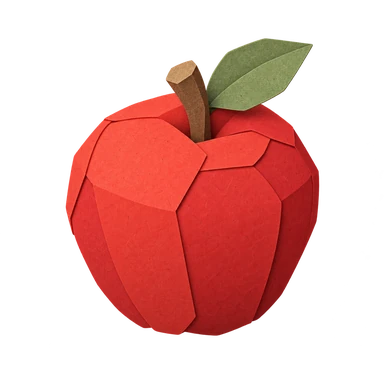 la manzana
apple
-
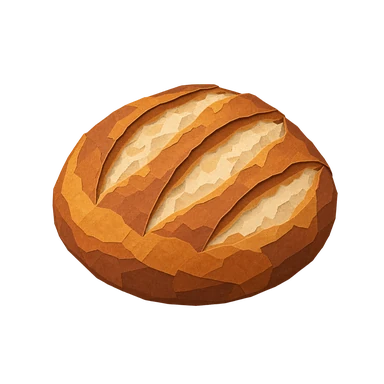 el pan
bread
-
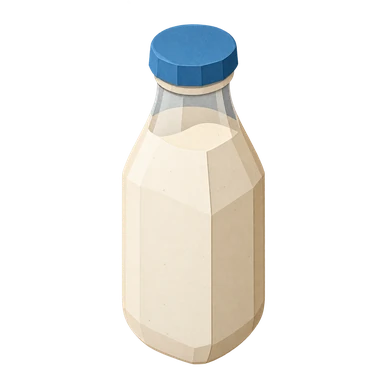 la leche
milk
-
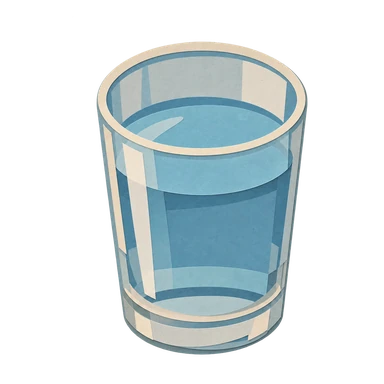 el agua
water
-
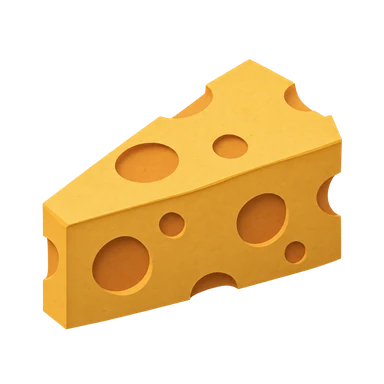 el queso
cheese
-
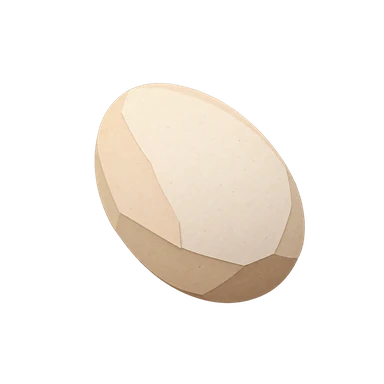 el huevo
egg
-
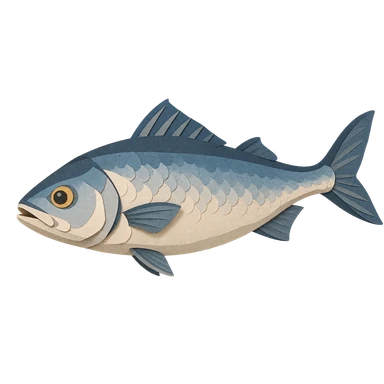 el pescado
fish
-
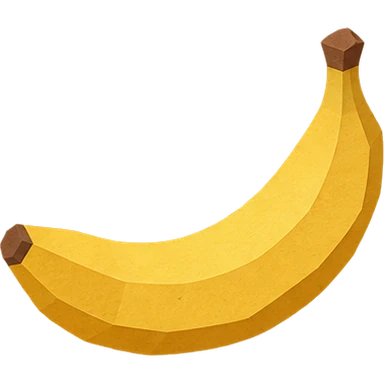 el plátano
banana
-
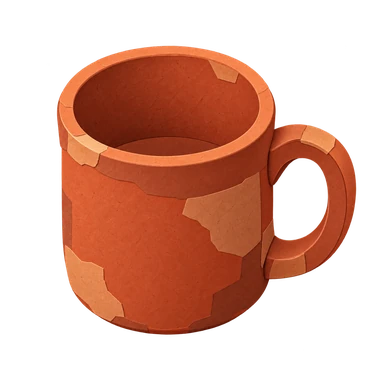 la taza
cup
-
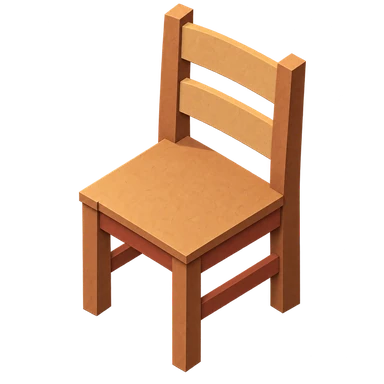 la silla
chair
-
 la cama
bed
-
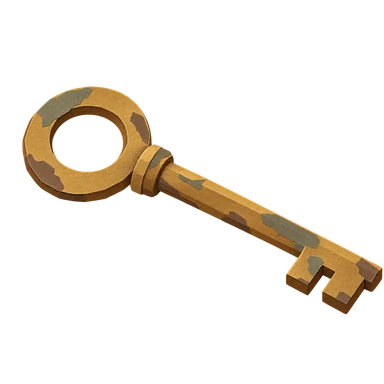 la llave
key
-
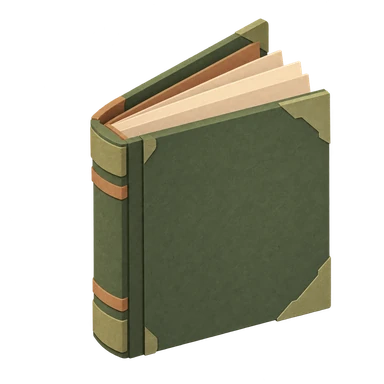 el libro
book
-
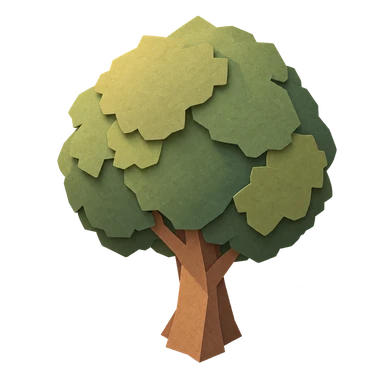 el árbol
tree
-
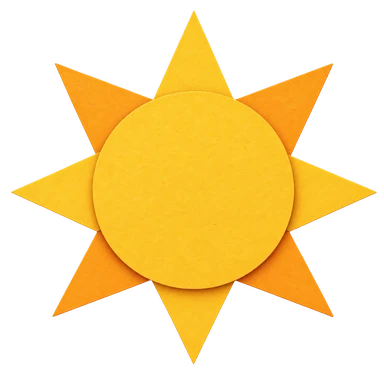 el sol
sun
-
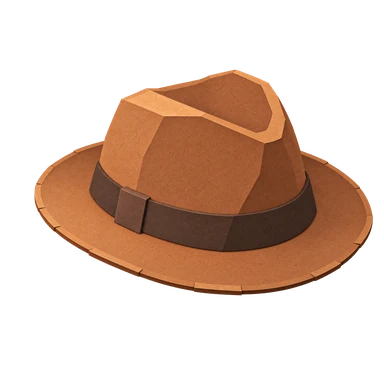 el gorro
hat
-
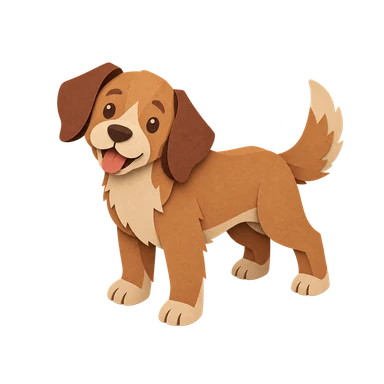 el perro
dog
-
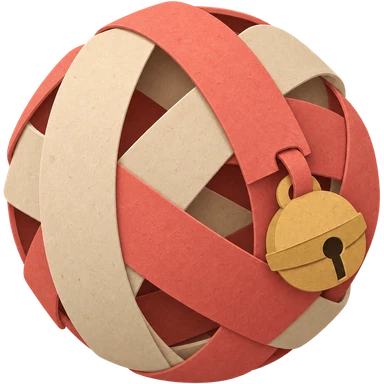 la pelota
ball
The next review is tomorrow, then in three days and in a week. The app keeps that schedule.
Why words slip away
A new word with no review fades within days: back in the 1880s Hermann Ebbinghaus showed that most of what we learn is gone within the first day. That is not a bad memory; that is how every memory works.
Each review slows the forgetting, and after each one the next can wait longer. Hence spaced repetition: review a word not every day, but just as it is about to slip.
| Review | When | What happens |
|---|---|---|
| 1 | the day you learn it | you know it «for now» |
| 2 | 1 day later | most words still come back, with effort |
| 3 | 3 days later | forgetting is much slower |
| 4 | a week later | the word holds without a hint |
| 5 | 2 weeks later | — |
| 6 | a month later | the word is in long-term memory |
The gaps are a rule of thumb: apps adjust them to your answers. Easy recall pushes the next review later; a struggle brings it closer.
How to remember vocabulary: six rules
- Recall, don't reread. Looking at a word and its meaning is recognition. Covering the meaning and bringing it back is memory training. That is why a card has two sides.
- A little, every day. 10–20 new words a day plus review beats a hundred words over a weekend.
- A picture beats a translation. «La manzana» next to an apple sticks faster than «la manzana — apple» in a list.
- Both directions. Recognising a word when you read it and producing it yourself are different skills. Run the deck from meaning to word too.
- Words from things you care about. A word from a book or a song you like holds better than one from someone else's list.
- Keep look-alikes apart. Pero and perro, casa and caza in one deck get mixed up. Learn them on different days.
Paper cards or an app
Paper cards work if you sort them into boxes: new ones in the first, remembered ones move to the next, and the further the box, the less often you review it. That is the Leitner system, more than fifty years old. The catch: you keep the schedule in your head.
An app does the same thing: it remembers which word is due when and shows only those. The cards on this page are one session; the schedule over days and weeks is the app's job.
LexiReps — flashcards from the Lexi family
LexiReps reviews words on a schedule: words from LexiLib books, from Lexitail lessons, and your own. The app is on its way. Until then, Lexitail already brings back the words you are starting to forget.
Review on a schedule — in the app
LexiReps is coming soon. In Lexitail, the kitten reminds you to review today.
Questions
How many new words should I learn a day?
10–20 new words with daily review is a sensible pace. You can do more, but review grows with every new word, and in a couple of weeks it takes an hour a day.
What is spaced repetition?
Reviewing a word at growing intervals: a day, three days, a week, two weeks, a month. Each review lands just as the word starts to fade, and that moves it into long-term memory.
How can I learn a lot of words fast?
Learning fast is possible; keeping them for good takes time. A word settles after several reviews over weeks. Pictures, examples and recalling instead of rereading all help.
Flashcards or reading — which is better?
Both. Books give you words in context, flashcards stop them fading. Words from what you read make the best deck.